
Cybersecurity For Autonomous Driving Systems And Practical Protection For Safer Transport


November 25, 2025

Introduction

Autonomous driving attracts interest across transport, business and national infrastructure. Increased connectivity brings fresh threats to safety. Recent incidents involving insecure connected devices have increased concern across the automotive field. Many people now face new questions about safety because vehicles rely on code, sensors and communication links. This blog is for drivers, business owners, students and technical professionals. You will gain a clear view of the risks and learn how to protect systems with simple, direct actions.


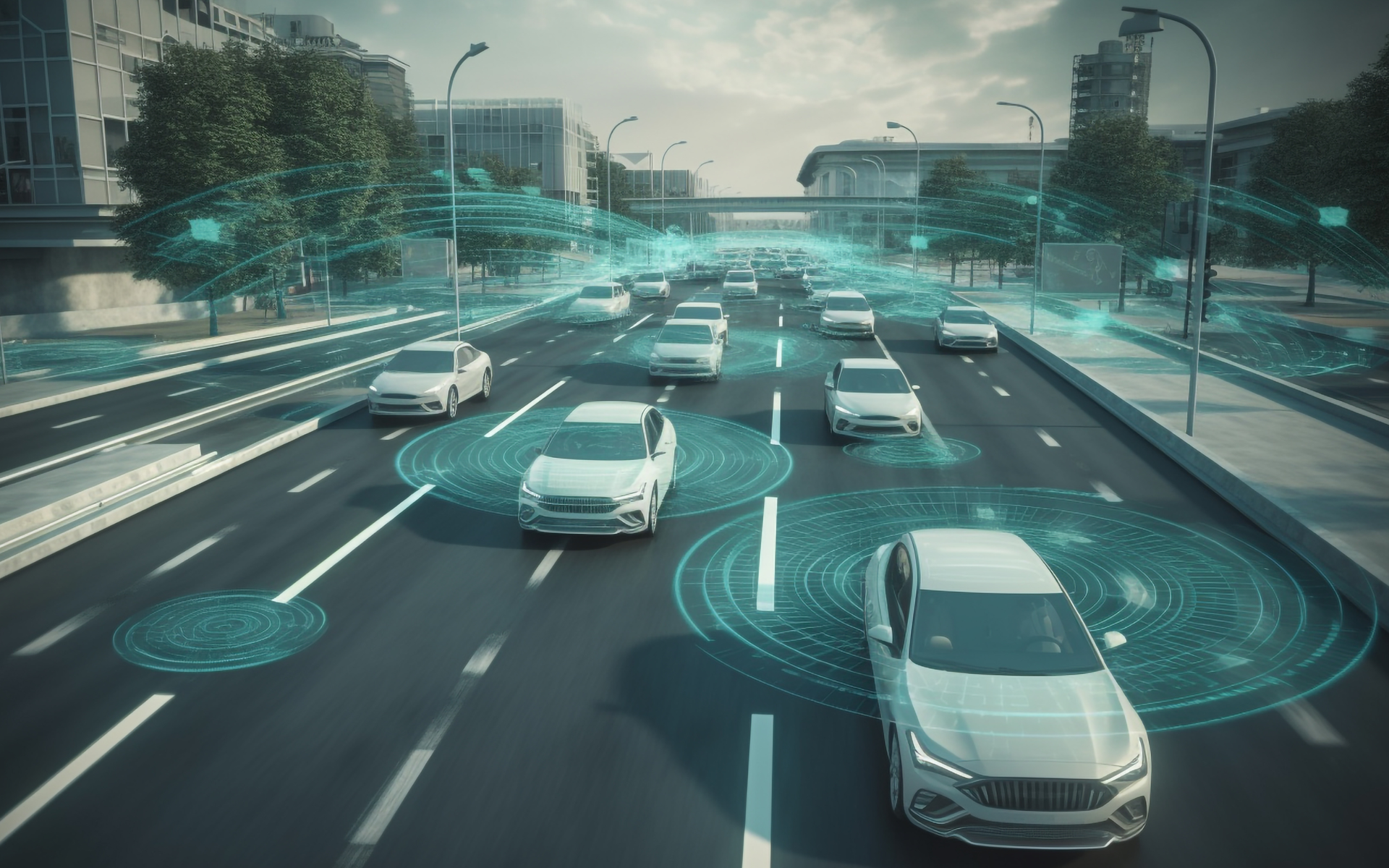
Autonomous driving refers to vehicle operation through computer control without the need for constant human oversight. The system uses sensors, cameras, radar and communication links. The system reads the environment and makes driving decisions through code. This brings convenience and potential safety gains. A basic example is adaptive cruise control. When the system senses that traffic slows, the vehicle slows with it. This appears harmless. Yet every layer of digital control creates a new point of attack. Criminal groups look for weak configurations, exposed data and outdated software.


These threats matter now because attacks on connected devices have increased across Europe. Growing regulation has placed pressure on manufacturers to secure data and protect public safety. You benefit from understanding these risks because the transport sector moves toward higher automation each year.

Growing Digital Risk In Autonomous Systems

Connected vehicles rely on external data exchange. This exposure creates risk. Criminal groups target remote access features, telematics data and sensor networks. If attackers reach these systems, they gain control of steering, acceleration or braking. A vehicle can react in unsafe ways. The consequences include theft, disruption of transport and danger to life. These issues rise because modern vehicles use multiple communication channels. These include short-range communication links between vehicles and roadside units. They involve cloud-based traffic services. They involve smartphone applications linked directly to the vehicle. Each link creates another path for crime.


A scenario highlights this point. A criminal group scans roads for vehicles with weak remote entry systems. The group sends an attack signal that exploits a flaw in the wireless key protocol. The vehicle unlocks. The group enters. The group drives away. This attack occurred with older models of connected vehicles in Europe. Another example relates to sensor interference. Attackers send misleading signals to radar systems. The vehicle misreads distance. The vehicle slows or swerves. Researchers have tested this with inexpensive equipment. These cases show practical risk. They demonstrate how small weaknesses place people in danger.


You need to understand this risk because the attack surface grows each year. The number of connected vehicles on UK roads continues to rise. Reports from industry organisations show growth in the volume of data transmitted between vehicles and cloud services. Criminal groups watch these changes. They search for places to strike. If users ignore security, attackers gain easy access. A small flaw can cause significant damage. Criminal groups exploit convenience features. A remote start function gives the attacker remote start as well. A location tracking function gives the attacker real time location. A system update feature gives the attacker a possible path for malicious code. Each step increases exposure.

A Hidden Weakness In Supply Chains

Autonomous systems rely on software supply chains. Many components come from external developers. If one supplier uses flawed code, that flaw travels into the vehicle. Attackers look for this point of entry. Supply chain attacks increased across multiple industries in recent years. Automotive systems face the same pressure. When suppliers rush updates, they risk poor testing. A single oversight in an update may introduce a vulnerability. Attackers search for weak update servers. Attackers inject harmful code into the distribution point. Vehicles receive the update. The threat spreads across fleets.


Supply chain weaknesses affect daily life. Insurance companies may place higher premiums on fleets with poor cyber defence. Logistics companies face delays if attackers disrupt autonomous functions in delivery vehicles. Gas and electricity suppliers rely on connected vehicles for maintenance tasks. Attacks on those vehicles disrupt essential services. Users must understand this risk because supply chains form the backbone of modern vehicle technology. A secure supply chain protects the entire system.

Human Error And Poor Cyber Hygiene

Many incidents start with basic user mistakes. A vehicle owner leaves a smartphone unlocked. The phone has a vehicle control application. A thief opens the phone and gains access. A fleet administrator stores passwords in plain text. An attacker steals the file and controls an entire fleet. These incidents sound simple. Yet they occur in many sectors. Criminal groups look for the easiest path. Human mistakes often provide that path. You lower risk by improving personal cyber hygiene. You update devices on time. You use strong authentication on vehicle-related applications. You avoid public WiFi when accessing vehicle dashboards. These steps reduce entry points for criminals.


Manufacturers also face pressure to design systems that resist human error. A system must reduce reliance on unnecessary functions. A system must provide clear warnings. A system must enforce strong security controls in the background. Many manufacturers now release guidance for safer use. You should review these instructions. They bring insight to the task of securing autonomous functions.

The Challenge Of Data Privacy

Autonomous systems collect large amounts of data. This includes location history, driving behaviour and camera images from the road. Attackers want this data. Criminal groups sell this data to other offenders. They track movement of individuals. They observe patterns. They target homes when residents leave. Data exposure also harms organisations.


Compromised location data from fleet vehicles gives criminals insight into delivery routes. This exposes targets to theft. Data protection law in the UK places obligation on companies to safeguard this data. Failure to protect this data results in heavy penalties. The issue links directly to trust. Drivers expect privacy. Organisations expect confidentiality. Data protection matters in every step of autonomous operation.

Practical Protective Measures For Safer Autonomous Systems

Autonomous systems become safer through a forward approach to cybersecurity. You lower your risk through strong access control. You limit who reaches vehicle systems. You enable multifactor authentication in every possible location. A criminal who steals a password faces an additional barrier. This reduces successful attacks.


You secure external devices linked to the vehicle. Your smartphone must run current software. Your laptop must use reliable security tools. Your passwords must be unique and complex. You store them in a password manager. These routine habits reduce the entry points for criminals.

Strong patch management reduces exposure. You apply updates as soon as manufacturers release them. Updates fix vulnerabilities that criminals exploit. Many successful attacks rely on outdated systems. Your prompt action reduces that weakness. Organisations maintain update schedules that ensure every device stays current. Fleet administrators use central management systems to distribute updates across vehicles.


Network segmentation helps large organisations. You isolate vehicle communication from sensitive internal networks. If attackers strike the vehicle system, they do not reach the business network. You add monitoring tools that detect unusual traffic. You investigate these alerts. A proactive approach stops attackers before they cause damage.


Encryption protects data in transit. When the vehicle sends data to cloud services, encryption prevents attackers from reading the content. You also secure data at rest. Sensitive information stored on the vehicle must remain protected by strong cryptographic controls. Encryption makes stolen data useless to attackers.


Secure coding practices reduce vulnerabilities. Development teams follow established frameworks such as NIST guidelines and UK-focused programs like Cyber Essentials. Developers review code for unsafe functions. They test systems before release. They document potential risks. This disciplined approach removes many points of attack. Your organisation benefits from adopting these frameworks. You bring clarity and consistency to defensive efforts.


Regular security assessment strengthens control. You perform penetration testing on autonomous systems. You review wireless protocols. You examine internal vehicle networks. You examine mobile applications. You address flaws before criminals reach them. Many companies work with specialists who test these systems in controlled environments. These assessments highlight weaknesses early. Attackers find it difficult to exploit well-tested systems.


Physical protection still matters. Attackers prefer remote access. Yet some attacks require physical access to ports inside the vehicle. You lock vehicles. You use secure parking. Fleet managers use surveillance at depots. Strong physical barriers reduce the chance of direct tampering. The combination of physical and digital protection brings strong defence.

Cybergen Guidance For Safer Autonomous Operation

Cybergen offers guidance to strengthen your defence. You gain value from reviewing the Cyber Essentials information and related pages on www.cybergensecurity.co.uk. You read about risk assessment, penetration testing and incident response. You learn how these services align with autonomous driving systems. Cybergen highlights key actions in plain language. The aim is improved awareness. The aim is reduced risk.


Cybergen encourages structured improvement. You review current defence. You identify gaps. You introduce strong controls. You train staff. You rehearse potential incidents. You maintain clear documentation. You rely on secure development practices. You enforce patch management. You track supply chain security. These steps support long term safety. Autonomous systems require ongoing care. Threats change often. You must adapt to remain safe.


Cybergen also recommends central monitoring across fleet systems. You watch for odd network traffic. You watch for unexpected software changes. You record logs. You store them securely. You review them with expert support. This approach detects unknown threats. Criminal groups often leave traces. Monitoring tools catch these traces early. You respond before damage grows.

Cybergen emphasises clear communication between organisations and suppliers.


You ask suppliers to share information about updates. You ask about their testing. You request transparency about vulnerabilities. This dialogue strengthens supply chain defence. You avoid unknown risks because suppliers share vital information.

Autonomous Driving And Regulatory Pressure

The UK government introduced policy to improve safety in connected and automated vehicles. These policies place responsibility on manufacturers and service providers. The aim is public safety. This includes clear cybersecurity requirements. Manufacturers must follow strict testing. They must protect data. They must reduce risk of remote control. Organisations using autonomous fleets must perform risk assessments. They must secure networks. Compliance brings public trust. Failure results in penalties that damage business reputation.


You benefit from understanding regulatory pressure. Strong compliance prepares you for the future of transport. Customers expect responsible practice. Investors expect reduced risk. Staff expect safe working conditions. Clear cybersecurity controls address these expectations. You improve safety. You protect your organisation from legal trouble.

Case Study Of Poor Security

A real test demonstration shows how attackers misuse flaws in autonomous technology. Researchers in Europe placed a cheap transmitter near a roadside sign. They sent false signals to a passing autonomous vehicle. The system believed an obstacle appeared ahead. The vehicle braked sharply. Traffic slowed. Although this test involved controlled conditions, the risk remains. Criminal groups do not need high resources. A simple device triggers a serious disruption. This scenario highlights the importance of strong validation for sensor data. The vehicle must compare inputs from multiple sources. The system must reject unusual signals. Manufacturers continue to refine this process. You stay alert to these developments.


Another scenario involves insecure mobile applications linked to the vehicle. Many applications allow remote locking, climate control and route planning. Attackers reverse-engineered a popular application. They extracted communication keys. They accessed user accounts. They tracked vehicle movement. This occurred because the developer used weak security controls. The case highlights a clear risk. You must only use official applications from trusted developers. You must monitor access. Developers must secure their code with strong encryption and proper authentication.

Future Challenges In Autonomous Cybersecurity

Autonomous systems depend on artificial intelligence. Criminal groups search for ways to influence these systems. They feed manipulated data to mislead object detection. They produce visual patterns that sensors misinterpret. These techniques create risk. Manufacturers and researchers work to improve resilience. They design models that recognise false input. They use multiple camera angles. They combine sensor data for validation. You support this progress through awareness and pressure on suppliers to follow strong security testing.


Emerging communication standards bring both opportunity and threat. High-speed vehicle communication reduces latency. It improves reaction time in autonomous systems. Yet it also expands the entry points for criminals. New protocols must follow strict security controls. Encryption must be strong. Authentication must be reliable. Manufacturers must test every device on the network. Users must update systems promptly.


As vehicles integrate with smart city infrastructure, attackers search for weak links in external systems. Traffic lights, road sensors and management platforms must follow strict cyber hygiene. A failure in those systems affects vehicle behaviour. Authorities invest in strong security. You remain attentive to official guidance. You support the adoption of secure technology at home and in the workplace.

The Role Of Public Awareness

Autonomous systems bring community-wide effects. A single breach impacts many people. Public awareness improves safety. Drivers who understand cybersecurity make informed decisions. Fleet operators who understand risks builda strong defence. Students who understand secure coding design safer systems in the future. Awareness creates a safer transport environment. You gain this awareness through reading, training and practice.


Trusted organisations like Cybergen support this process by providing information and guidance.

Continuous Improvement In Cybersecurity

Cybersecurity in autonomous driving requires ongoing improvement. You review policies often. You adjust controls. You track new threats. You learn from industry reports. Criminal groups change their methods. Manufacturers update their systems. Authorities refine regulation. Your approach stays flexible. You improve your defence through regular review.


You invest in a strong incident response. Incidents occur even with strong prevention. You prepare for rapid recovery. You assign roles to staff. You maintain backups. You practise recovery drills. You review lessons from each incident. You update your plan. This approach limits damage when attackers strike. It protects your organisation.


Training remains central to improvement. Staff understand threats when they see clear examples. You share learning material. You discuss common attack methods. You encourage safe behaviour with real cases. Staff recognise danger and respond correctly. Human awareness remains a strong defence.

Integration With Broader Business Security

Autonomous driving forms part of wider business operations. Cybersecurity must align with corporate strategy. You coordinate with your internal security teams. You share information across departments. You treat vehicle systems as part of your digital estate. You review risks in context of your business. This perspective gives clarity. You avoid misplaced focus. You balance protection across all systems.


Strong coordination ensures smooth response when incidents occur. IT teams, transport teams and leadership must communicate. A clear chain of contact prevents confusion. You use clear instructions. You use training drills. You reduce disruption. You improve resilience. You protect business continuity.

Practical Steps For Everyday Users

Everyday users strengthen security with simple habits. You lock devices. You create strong passwords. You avoid connecting vehicle control applications to unsecured networks. You watch for strange behaviour in applications linked to your vehicle. You update software promptly. You store keys in secure locations. Each action reduces risk.


If your vehicle offers remote functions, you review settings and disable features you do not need. You reduce attack surface by limiting unnecessary connectivity. You examine privacy settings. You restrict data sharing. You protect personal information.


If you operate a fleet, you set policy for your drivers. You train drivers in safe digital habits. You monitor fleet networks. You use strong authentication. You follow Cyber Essentials controls. You perform regular risk assessments. Simple procedures protect your drivers and vehicles.

Clear Value In Professional Support

Professional support strengthens your defence. Cybergen provides detailed assessments, guidance and testing. You access this support through www.cybergensecurity.co.uk. You gain structured improvement. You identify weaknesses. You correct those weaknesses. You protect your vehicles and data.


You also benefit from industry collaboration. Organisations share threat intelligence. They report incidents. They learn from each other. This shared knowledge improves collective safety. You participate in these networks. You stay informed about threats that affect autonomous systems.

Preparing For The Next Stage Of Autonomous Transport

Transport is moving toward increased automation. Clear cybersecurity prepares you for this future. Your actions today influence safety tomorrow. When you follow strong cybersecurity controls, you protect yourself and others. You create safer roads. You build trust in new technology.


The growth of autonomous systems introduces new responsibility. You take that responsibility seriously. You invest in defence. You commit to learning. You support safe adoption of advanced transport technology. Your involvement matters. Your actions set the standard for safe use.

Summary

Cybersecurity shapes the safety of autonomous driving systems. The growth of connected transport brings clear risk. Attackers look for exposed devices, weak passwords, outdated software and insecure supply chains. You protect yourself with strong access control, regular updates, secure applications, encryption and constant awareness. You follow guidance from trusted organisations. Cybergen provides expert support and clear material through our website. Click here to learn more. These resources help you strengthen your defence and increase confidence in your daily decisions. Your proactive approach improves safety for your organisation and your community. You influence the direction of secure autonomous transport through informed action.


References

NIST 2023 Cybersecurity Framework. National Institute of Standards and Technology.


UK Department for Transport 2023 Connected and Automated Mobility Policy Paper. UK Government.


European Union Agency for Cybersecurity 2022 Threat Landscape Report. ENISA.

Ready to strengthen your security posture? Contact us today for more information on protecting your business.


Let's get protecting your business

Disaster Recovery

Keep your data secure and protected at all times.


Cybergen News

Sign up to get industry insights, trends, and more in your inbox.

Contact Us

SHARE THIS

Latest Posts

December 3, 2025
LegalTech platforms face rising threats from advanced cyber groups who target legal data, client records and case information. Attackers focus on legal service providers because legal data holds high value. Attackers search for weak access controls, outdated systems and unprotected cloud platforms. Legal firms and technology providers now depend on digital workflows. This increases pressure from attackers who want to steal data or disrupt operations. This blog supports legal professionals, platform developers, students in technology and IT staff who want a clear view of the risks and the steps needed for a strong defence. LegalTech refers to digital tools that support legal work. These include document management platforms, digital case files, client portals, identity verification tools and automated workflow systems. A simple example appears when a solicitor uploads sensitive documents to a cloud platform that tracks case progress. The platform stores data, manages tasks and sends reminders. This workflow simplifies work. It also introduces risk. If attackers enter the platform through weak credentials, they gain access to client evidence, contracts, court papers and identity records. This risk has grown as more legal work shifts online. LegalTech platforms must respond with strong cyber defences to protect trust and service quality.

Neon beams of light streak across the night sky, originating from power lines. The moon and trees are in the background.
November 19, 2025
A detailed guide to defending utility infrastructure from nation-state threats. Learn how threats emerge, how attackers operate and how you strengthen protection with practical cybersecurity methods.

Person's hand reaching for a white box on a pharmacy shelf filled with medication boxes.
November 16, 2025
A detailed guide on cybersecurity for cold chain and medicine distribution systems. Learn how attackers target supply routes and how strong protection keeps temperature-controlled products safe.

Blue-toned cityscape at dusk with tall buildings, illuminated by lights and streaks of light trails.
By Aaron Bennett November 8, 2025
Learn how to protect your Building Management Systems and smart site infrastructure from cyber threats with expert advice, practical steps, and proven strategies for stronger security.
Global shipping scene with cargo ships, an airplane, port, and connected network over a world map.
November 3, 2025
Explore why logistics platforms require multi-layer security to defend against modern cyber threats. Learn how multi-layer cybersecurity protects data, supply chains and operations from attacks.
Blue digital code background with a highlighted diamond shape.
November 2, 2025
Learn how IT and cybersecurity professionals can protect digital content with advanced encryption techniques. Cybergen explains methods, challenges, and real-world defences against cyber threats.
Cell towers against a colorful sunset sky.
October 30, 2025
Learn how telecom providers protect against DDoS attacks through advanced cybersecurity, proactive monitoring, and resilience strategies. Expert insights from Cybergen on securing telecom networks.
Storefront display with handbags, shoes, and accessories in a modern retail space with large glass windows.
October 29, 2025
Learn how retailers can protect against credential stuffing attacks. Understand how attackers exploit stolen credentials and discover practical cybersecurity steps from Cybergen to defend your business.
Modern apartment building with balconies, bright windows, and blue sky.
October 28, 2025
Learn how to protect your real estate platform from costly data breaches. Discover expert cybersecurity strategies, compliance practices, and actionable steps from Cybergen to safeguard property technology systems.

Close-up of eye with digital overlay; technology concept with city backdrop.
October 23, 2025
Explore how biometric technology and next-generation cybersecurity measures are transforming digital banking security. Learn practical insights for protecting financial systems from emerging threats.